Tailored Railings and Stairs: Elevate the Style and Function of Your Deck
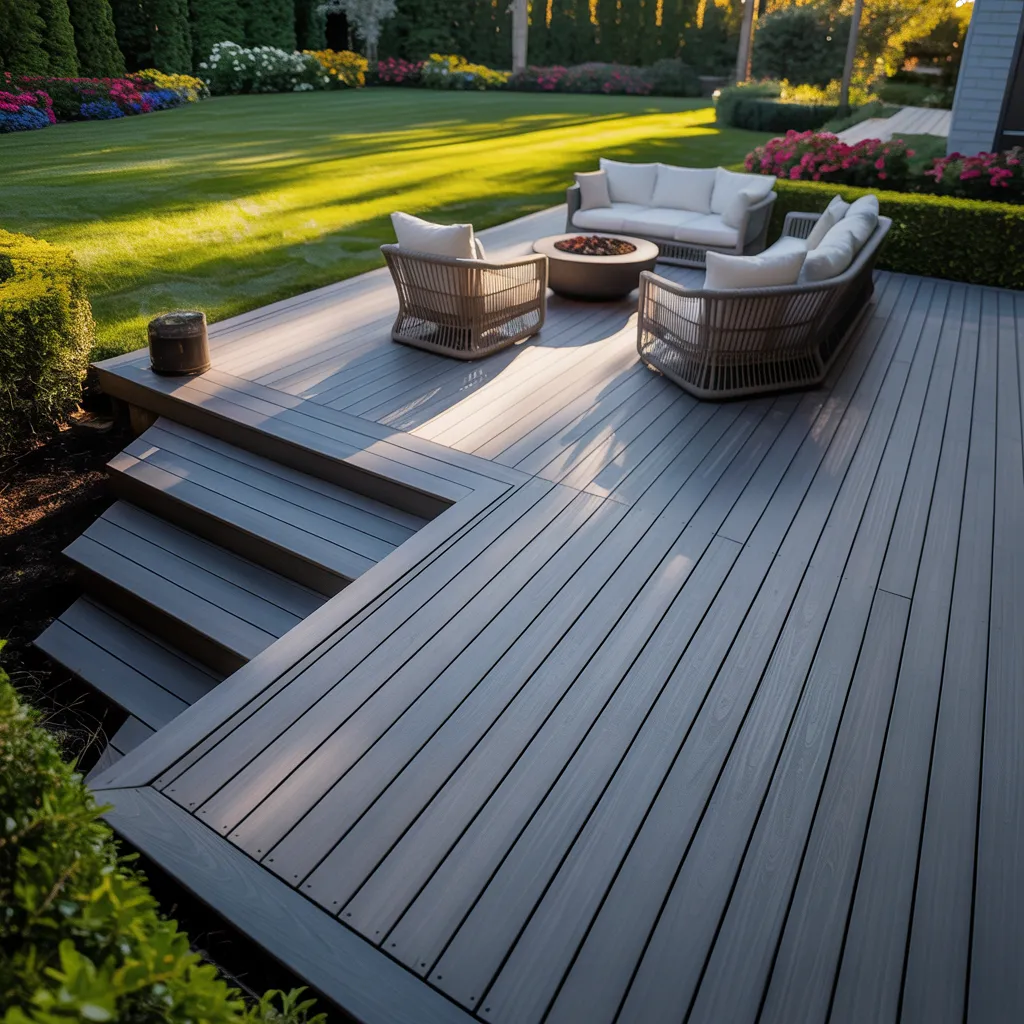
Custom railings and stairs serve a vital function in enhancing the aesthetics and functionality of a deck. Through choosing distinctive designs and materials, homeowners can craft a welcoming outdoor area that showcases their individual taste. Safety and durability are also important considerations. Examining different styles and materials can uncover choices that achieve the ideal equilibrium. What aspects should be taken into account when embarking on this design endeavor?
The Perks of Custom Railings and Stairs
Custom railings and stairs elevate both form and function in any space. They present an exceptional opportunity to enhance the visual appeal, turning standard areas into remarkable focal points. By incorporating personalized designs, homeowners can effortlessly coordinate these additions with their existing decor, showcasing personal tastes and design preferences.
Apart from aesthetics, custom railings and stairs provide substantial safety improvements. Custom designs can ensure conformity with local building standards while decreasing the potential for accidents. The use of resilient materials also extends lifespan, minimizing the necessity for regular repairs or replacements.
Furthermore, tailored solutions facilitate improved space optimization, particularly in complex floor plans. Via thoughtful design strategies, residents can optimize functionality and ease of use. In summary, opting for bespoke railings and stairs provides both visual appeal and functional benefits, making them an invaluable addition to any residential or commercial setting.
Common Types of Bespoke Railing and Stair Designs to Consider
Design choices for railings and stairs can considerably influence the general atmosphere of a space. Among the most popular styles is the classic wooden railing, which offers warmth and a timeless appeal. Modern metal railings, often showcasing clean lines and minimalist aesthetics, deliver a modern feel while maintaining durability. For those seeking a rustic vibe, forged iron railings can add intricate details and character. Clear glass railings are increasingly favored for their power to establish a light and airy environment, permitting unrestricted visibility. Additionally, stainless cable railings merge utility with visual appeal, rendering them perfect for coastal or modern applications. Staircases can equally express individual preferences; choices span from classic straight staircases to striking spiral configurations, satisfying diverse visual preferences. Each option not only improves visual appeal but also fulfills an important role in safety and ease of access, making deliberate decisions critical for every deck installation.
How to Choose the Best Materials for Your Custom Railings and Stairs
Choosing the appropriate materials for custom stairs and railings necessitates close attention of both longevity and visual appeal. The selection of materials can significantly impact the longevity of the construction while also affecting the overall design of the environment. Evaluating these elements ensures a harmony between visual harmony and functionality.
Material Strength and Durability Factors
Durability stands as a critical factor when choosing materials for railings and stairs, impacting both security and lasting quality. Many homeowners frequently evaluate choices like wood, metal, and composite materials. Wood, despite its attractive appearance, typically needs routine maintenance to address rot and insect issues. Metals, including aluminum and stainless steel, provide durability and weather resistance, making them ideal for a range of climates. Composite materials combine long-lasting performance with minimal upkeep, preventing fading and warping over the years. When choosing materials, it is equally important to account for environmental considerations and material availability. In the end, opting for durable materials not only improves the safety of railings and stairs but also ensures they endure over time, delivering lasting value and dependability.
Visual Design Choices
Aesthetic appeal plays a significant role in the selection of materials used in custom railings and stairs, supporting the property's overall architectural style. Homeowners often consider various materials, including wood, metal, and composite options, each presenting distinctive aesthetic features. For a classic look, natural wood delivers warmth and rich texture, whereas metals such as wrought iron or aluminum introduce a contemporary, polished feel. Composite materials provide flexibility in color and finish, enabling personalization that complements various architectural designs. Additionally, homeowners should consider the surrounding landscape and home exterior to guarantee harmony. Colors, textures, and surface finishes should correspond with the broader aesthetic vision, creating a cohesive look that enhances the outdoor space while serving functional purposes.
What Are the Best Ways to Incorporate Safety Features Into Your Design?
Ensuring safe elements in customized railings and staircases entails following code compliance requirements, choosing proper materials, and including effective design features. Each component holds a vital position in establishing a protected environment for users. A comprehensive grasp of these factors is essential for every successful project.
Code Compliance Guidelines
When designing custom railings and stairs, adherence to code compliance requirements is vital for guaranteeing safety. Construction codes outline key dimensions, like the height and placement of railings, ensuring they can effectively prevent falls. Additionally, regional guidelines may specify the materials employed, affecting longevity and safety across different weather conditions. It is important to seek guidance from local building authorities or a licensed professional to verify designs meet all applicable codes. Consistent assessments during the building process additionally strengthen safety by uncovering potential problems at an early stage. By emphasizing regulatory compliance, property owners can develop practical and visually appealing railings and staircases that deliver confidence and lasting protection for all individuals.
Considerations for Material Selection
Picking the appropriate materials for personalized railings and staircases is essential for enhancing safety aspects within the structural design. Long-lasting materials such as aluminum, stainless steel, and treated wood deliver strength and resistance to environmental wear. While aesthetics are important, the structural soundness of the material must also be prioritized to avoid potential hazards. Non-slip surfaces are essential to provide reliable traction, especially in damp environments. Additionally, materials should adhere to applicable safety standards and building codes, which frequently outline minimum load requirements. Evaluating the upkeep requirements of materials is essential, as materials that degrade quickly may reduce safety over time. In the end, a well-rounded method to material choice promotes both visual appeal and functional safety in staircases and railing configurations.
Design Safety Features
Effective design safety features are essential in custom railings and stairs, as they play a major role in user protection and overall functionality. To achieve safety, designers should follow local building codes, which establish minimum height and structural requirements. Including non-slip materials is essential, especially in areas affected by moisture. Additionally, railings should feature a height that prevents falls while providing a secure grasp for users. Attention to spacing between balusters is important to reduce fall incidents, particularly for children. Sight lines represent another important factor; contrasting colors can help improve awareness of edges and steps. Finally, regular maintenance checks are essential to maintain the integrity of all structural parts, preserving user safety and improving the longevity of the design.
Important Upkeep Tips for Preserving Your Custom Railings and Stairs
Keeping up your custom railings and stairways is vital for maintaining their lifespan and attractive appearance. Routine examinations are key to spotting any evidence of damage, such as rust, loose fittings, or splintered wood. Cleaning is equally important; applying a mild soap mixture with a soft-bristled brush can aid in clearing debris and stopping buildup that might result in long-term damage. For wood railings and stairs, using a weather-resistant coating periodically can protect against water infiltration and sun exposure, maintaining both appearance and structural strength.
Iron railings need to be examined for corrosion, particularly in seaside locations where salt air can hasten damage. Repainting or refinishing metal surfaces can enhance durability and appearance. Moreover, confirming that drainage systems work correctly will avoid moisture buildup, which can cause structural damage. By implementing these maintenance practices, homeowners can take pleasure in their bespoke railings and stairs well into the future.
Planning Your Budget for Custom Outdoor Upgrades
Having secured the lasting quality of bespoke railings and stairways through regular care, homeowners typically redirect their efforts toward budgeting for outdoor upgrades. Developing a precise budget is vital to avoid overspending and to confirm that the desired enhancements align with budgetary constraints. Homeowners are advised to begin by evaluating the costs of materials, labor, and any additional features, such as illumination or ornamental details.
It is advisable to create a prioritized list of desired upgrades, differentiating between necessary upgrades and desirable extras. This aids in reaching well-considered decisions when finances are constrained. Furthermore, homeowners are encouraged to allocate an emergency fund for unanticipated expenditures that could surface during the undertaking.
Exploring multiple suppliers and evaluating costs can also result in affordable options. By tackling financial planning in an organized manner, homeowners can bring their ideas for tailored outdoor read more environments to life while keeping their finances in check.
How to Choose the Right Contractor for Your Outdoor Project
How do homeowners make certain they pick the right contractor for their outdoor project? To begin, they should perform comprehensive research, focusing on online reviews and local referrals. This makes it easier to find contractors with an established reputation in custom railings and stairs. Additionally, homeowners should check credentials, such as licenses and insurance, to ensure the contractor satisfies industry requirements.
It is also advisable to seek thorough written estimates from various contractors, weighing expenses and completion schedules. Participating in personal consultations allows homeowners to gauge communication styles and professionalism. Additionally, reviewing past work portfolios can reveal important details about a contractor's technical proficiency and design talent.
Lastly asking for references from previous clients can help assess trustworthiness and craftsmanship. By adhering to this process, homeowners can confidently choose a professional who understands their goals and guarantees a positive outdoor experience.

Frequently Asked Questions
How Long Does It Take to Install Custom Railings and Stairs?
Setup of custom railings and stairs typically takes one to three days, based on how complex the design is, the type of materials selected, and the expertise of the installation crew involved in the project.
Am I Able to Customize the Color of My Railings and Stairs?
Yes, options for customizing the color of railings and stairs are usually provided. Residents can explore a diverse selection of shades to align with their aesthetic preferences, guaranteeing a unified appearance for their outdoor areas.
Can Custom Railings and Stairs Withstand the Elements?
Customized railings and staircases are engineered to be weather-resistant, incorporating materials such as aluminum or composite wood. These material choices boost overall durability, ensuring they withstand various environmental conditions while maintaining their visual appeal and practical functionality.
What Is the General Cost of Custom Railings and Stairs?
The standard cost of custom railings and stairs usually ranges from $1,000 to $4,000, depending on design complexity, materials, and installation needs. Homeowners are advised to plan their budget for materials as well as labor costs when organizing their projects.
Are Permits Necessary for Installing Custom Railings?
Custom railing projects generally require a permit for installation, based on local regulations and building codes. It's advisable for homeowners to speak with their local governing bodies to guarantee compliance and avoid possible fines or safety concerns.